

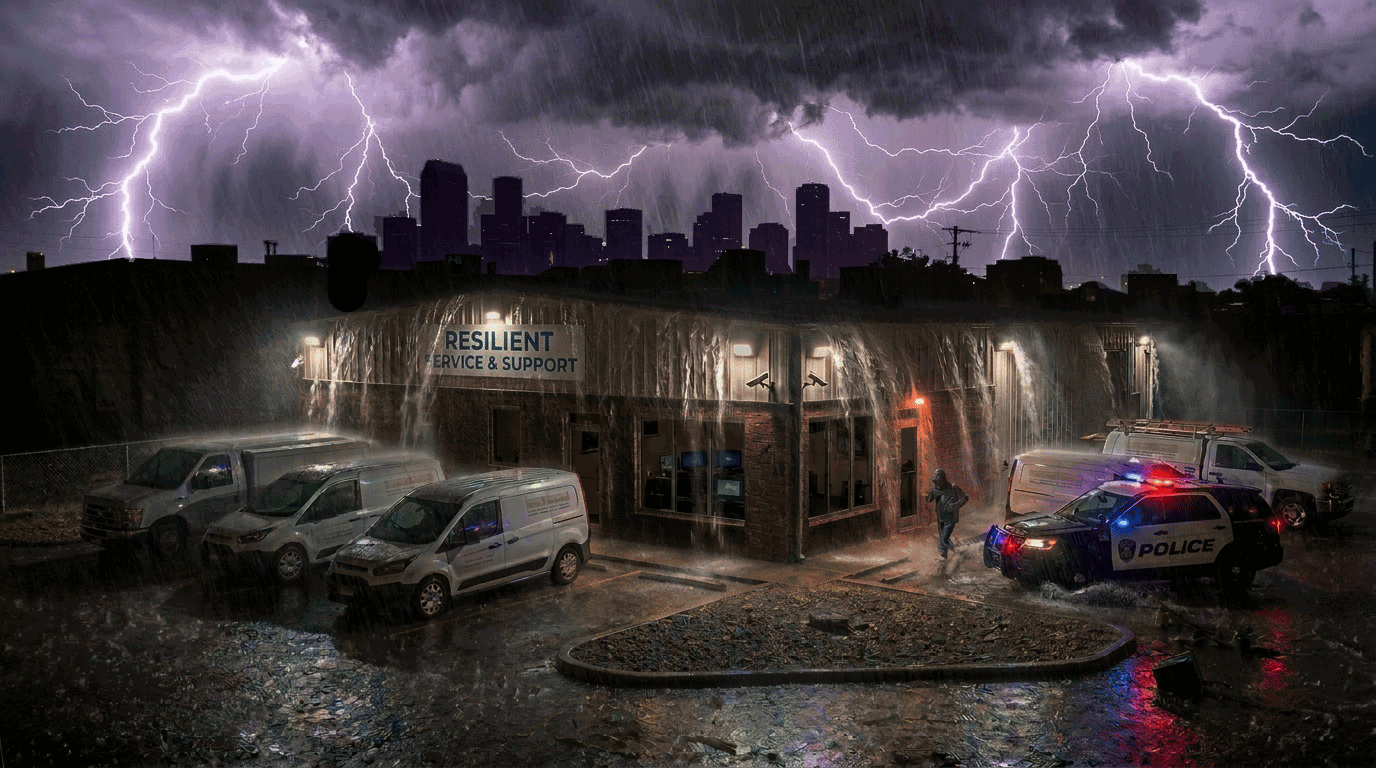
From sudden snowstorms and high winds to intense summer heat and unexpected power outages, these conditions don’t just affect your building, they can disrupt your entire business operation. Preparing your technology for these challenges helps keep your systems reliable, your data protected, and your business running smoothly, no matter what the forecast brings. A proactive approach ensures you’re not just reacting to disruptions but staying ahead of them.
Understanding the Risks
Weather-related issues can affect your technology in several ways. Power outages are the most obvious, but they’re far from the only concern. Sudden power loss can damage servers, workstations, and network equipment. Power surges during outages or restoration can be just as harmful. Connectivity issues, including ISP outages or degraded service, can bring cloud-based operations to a halt. Temperature also plays a role. Excessive heat or cold, especially in server rooms, offices, or network closets without proper climate control, can cause hardware to fail over time.
Protect Against Power Problems
A reliable power strategy is one of the most important steps you can take.
Uninterruptible Power Supplies (UPS) provide short-term backup power, allowing systems to shut down safely during an outage. This helps prevent data corruption and hardware damage. For businesses that rely heavily on uptime, backup generators can provide longer-term continuity.
Surge protection is equally important. Without it, even a brief power spike can damage sensitive equipment such as servers, firewalls, and switches.
Secure Your Network and Connectivity
When weather impacts internet service, your business can quickly lose access to cloud systems, email, and communication tools.
Having a backup internet option, such as a secondary ISP or cellular failover, can keep essential services running during outages. Properly configured network equipment can automatically switch to a backup connection when needed, minimizing disruption.
Protect Your Data
No matter how well your hardware is protected, data loss is always a risk during unexpected outages or system failures.
Automated, up-to-date backups are essential. A strong backup strategy includes both local and off-site (or cloud-based) copies of your data. This ensures that even in the event of hardware failure or physical damage, your business can recover quickly.
Regular testing of backups is just as important as having them. A backup that doesn’t restore properly can be just as damaging as no backup at all.
Maintain and Monitor Your Systems
Many weather-related failures are made worse by underlying issues that go unnoticed.
Outdated hardware, failing components, or improperly configured systems are more likely to fail under stress. Routine maintenance and system monitoring help identify problems early, reducing the risk of unexpected downtime during extreme conditions.
Environmental monitoring, such as temperature and humidity sensors, can also help protect critical equipment by alerting you before conditions become harmful.
Have a Plan in Place
Preparation isn’t just about equipment, it’s also about response.
Knowing what to do during a power outage or system failure can significantly reduce downtime. Clear procedures for safely shutting down systems, switching to backups, and restoring operations ensure your team can respond quickly and effectively.
Colorado weather isn’t something you can control, but how you prepare for it makes all the difference.